
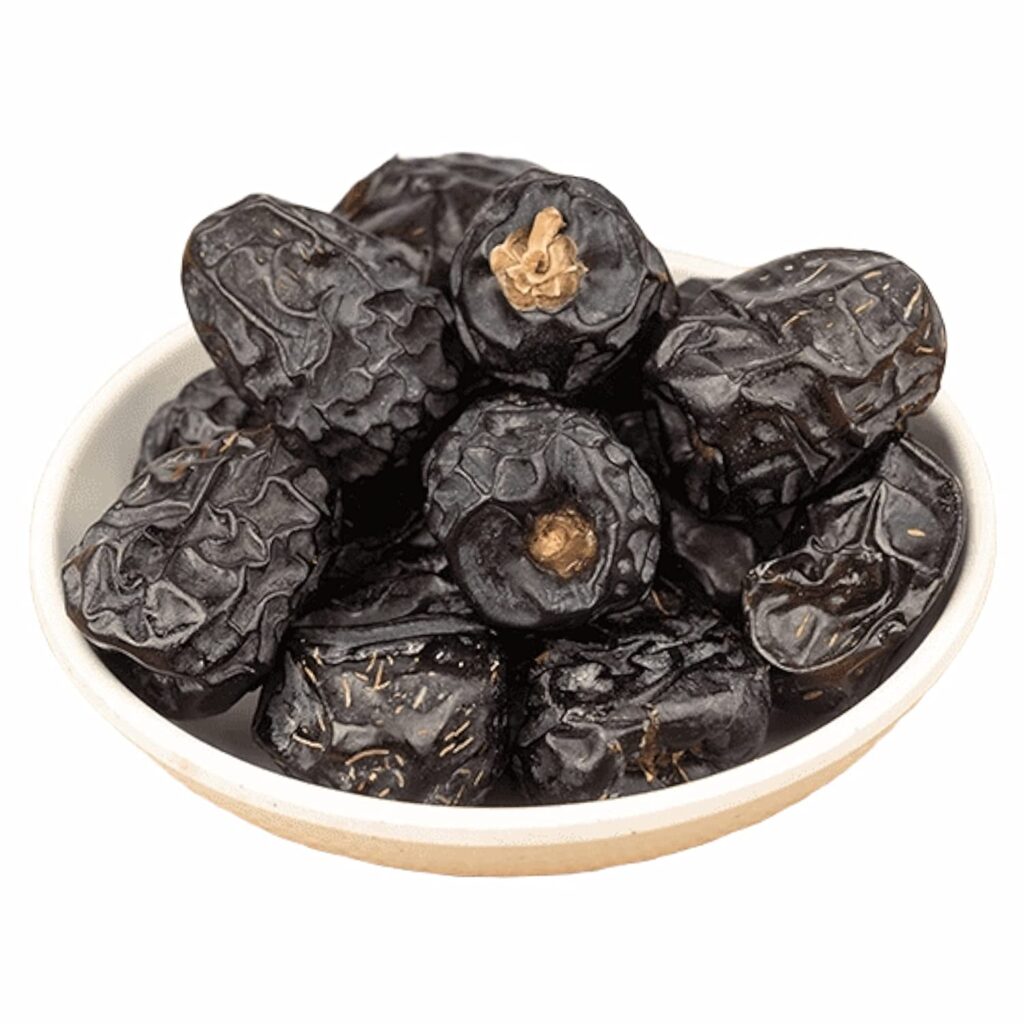
Kurma Ajwa, often referred to as the “King of Dates,” holds a significant place for its nutritional profile as well as its cultural and religious importance. Grown primarily in Medina, Saudi Arabia, Ajwa dates are known for their unique flavor and soft texture. In this article, we'll look at what's in Kurma Ajwa and how it stands out from other types of dates.
The nutritional profile of Kurma Ajwa
1. Packed with essential nutrients
Ajwa dates are rich in vitamins and minerals, including potassium, magnesium, calcium, and iron. They are also a good source of dietary fiber, natural sugars, and antioxidants, making them a useful energy snack.
2. Lower glycemic index than some varieties
Compared with many other date varieties, Ajwa dates have a relatively low glycemic index — meaning they release sugar into the bloodstream more slowly.
3. Rich in antioxidants
Ajwa dates carry antioxidants like flavonoids, phenolics, and selenium. These compounds help the body deal with everyday oxidative stress from free radicals.
What's in Kurma Ajwa
1. Potassium and other minerals
Ajwa dates carry potassium alongside their other minerals. Potassium is one of the electrolytes your body uses daily for normal muscle and nerve function.
2. Fiber content
The dietary fiber in Ajwa dates supports regular digestion. Some people also find fiber-rich foods like dates helpful for feeling full longer.
3. A quick energy source
The natural sugars in Ajwa dates, such as glucose, fructose, and sucrose, give a fast energy lift, making them a handy pre- or post-workout snack.
4. Selenium and antioxidant content
Ajwa dates carry selenium along with other antioxidants that help the body deal with free radicals.
5. Mineral content for bones
Ajwa dates carry calcium, magnesium, and phosphorus — minerals your body uses to build and maintain bone and teeth structure.
How Ajwa dates differ from other types of dates
1. Unique flavor and texture
Ajwa dates have a distinct taste — less sweet than Medjool dates, with a hint of caramel and a slightly chewy texture. Their flavor sets them apart from other popular varieties.
2. Religious and cultural significance
Ajwa dates are closely tied to Islamic tradition and are commonly consumed during Ramadan and other religious occasions, including at the breaking of the fast.
3. Exclusive growing region
Unlike other dates, which are grown worldwide, Ajwa dates are cultivated exclusively in Medina. This limited production adds to their value and uniqueness.
4. A distinct nutrient mix
All dates carry useful nutrients, but Ajwa's particular mix of minerals, fiber, and antioxidants gives it a profile that's a little different from varieties like Deglet Noor or Zahidi. You can compare it directly against other varieties in Kurma Ajwa Malaysia: A Flavor Journey.
How to incorporate Kurma Ajwa into your diet
1. As a natural sweetener
Use Ajwa dates as an alternative to refined sugar in smoothies, desserts, and baked goods. Their natural sweetness adds flavor without reaching for the sugar bag.
2. Daily snack
Ajwa dates make a solid snack on their own. Pair them with nuts for a mix of protein and carbs that carries you through the afternoon. Browse our full Kurma Ajwa range for options.
3. In traditional recipes
Include Ajwa dates in traditional Middle Eastern dishes like stuffed dates or date paste, adding a rich flavor to your meals.
Tips for selecting and storing Kurma Ajwa
1. Check authenticity
Ajwa dates are often counterfeited due to their popularity. Buy from reputable suppliers to make sure you're getting the real thing.
2. Proper storage
Store Ajwa dates in an airtight container in a cool, dry place. For long-term storage, refrigeration helps retain their freshness and flavor.
Conclusion
Kurma Ajwa is more than a delicious fruit — it's a genuinely nutrient-dense date with a distinct flavor and deep cultural significance. From its mineral content to its role in traditional cooking, Ajwa dates earn their place among the most sought-after date varieties.
Key insights
Ajwa dates are rich in essential nutrients, antioxidants, and dietary fiber.
Their mineral content includes potassium, calcium, magnesium, and iron.
Ajwa dates have a unique taste, texture, and cultural significance.
They differ from other dates in growing region, nutrient mix, and glycemic index.
Incorporate Ajwa dates as snacks, natural sweeteners, or in traditional recipes.
Ensure authenticity and proper storage for the best quality.